Sermon
The War Between Your Selves (Part 1)
By Tim Keller

Tim Keller | October 31, 1993
Guilt is a lot like an iceberg. You don’t see much above the surface, but if you really look, you’ll see it’s under everything. So how do you deal with a guilty conscience?
In Psalm 51, David has been plunged—through the shock of recognizing the magnitude of evil he’s done—into the depths. Imagine the guilt, the shame, the horror, the self-hatred. He’s plunged into an emotional and spiritual dungeon. And yet this psalm is a record of his rescue. There’s no good human explanation for how he got out. But he got out.
Here’s how he did it: he made two critical distinctions. He learned 1) the distinction between remorse and real repentance, and 2) the distinction between a reprieve and regeneration.


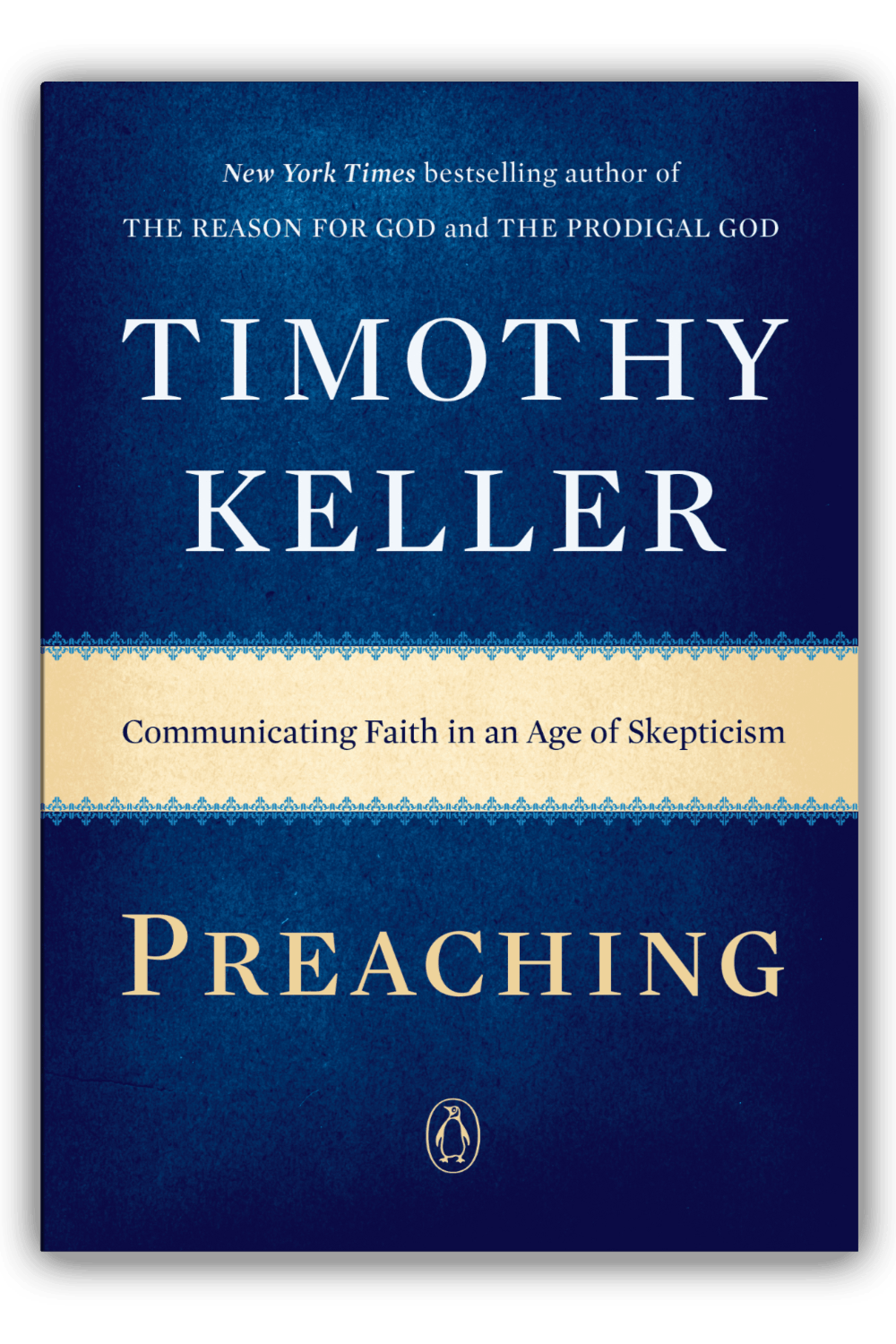
This Month's Featured Book
Many Christians, and even some pastors, can struggle to share the beauty, hope and joy of the Christian faith in tangible, compelling ways. This book is a guide for anyone who wants to become more effective in sharing their faith, whether it’s in a conversation with a friend or from the pulpit.