Sermon
True Wisdom
By Tim Keller

Tim Keller | January 25, 1998
We’re studying the parable of the prodigal son. We read that the younger brother comes to the father and says, “Give me my slice of the inheritance.” He says basically, “Even though you’re not dead, I want your things, but I don’t want you. I don’t want you involved with my life. Give them to me. I’m leaving.”
You have to understand in that culture this was an absolute outrage. He had brought tremendous humiliation on the family. He essentially destroyed the family estate by insisting it be liquidated and then he goes off and squanders it. This is immense, and yet when he returns, we see the father he betrayed, the father he humiliated, welcomes him with open arms and a kiss.
What we’re going to see is that this string of parables is not ultimately about an assurance to bad and immoral and messed-up people, but it is an in-your-teeth warning to good people. In this entire chapter Jesus Christ is saying nothing comes between you and God like morality and goodness and decency and respectability. How can this be? To answer this, let’s consider two things about the elder brother: 1) The elder brother is lost; and 2) he is more lost than the younger brother.

This Month's Featured Book
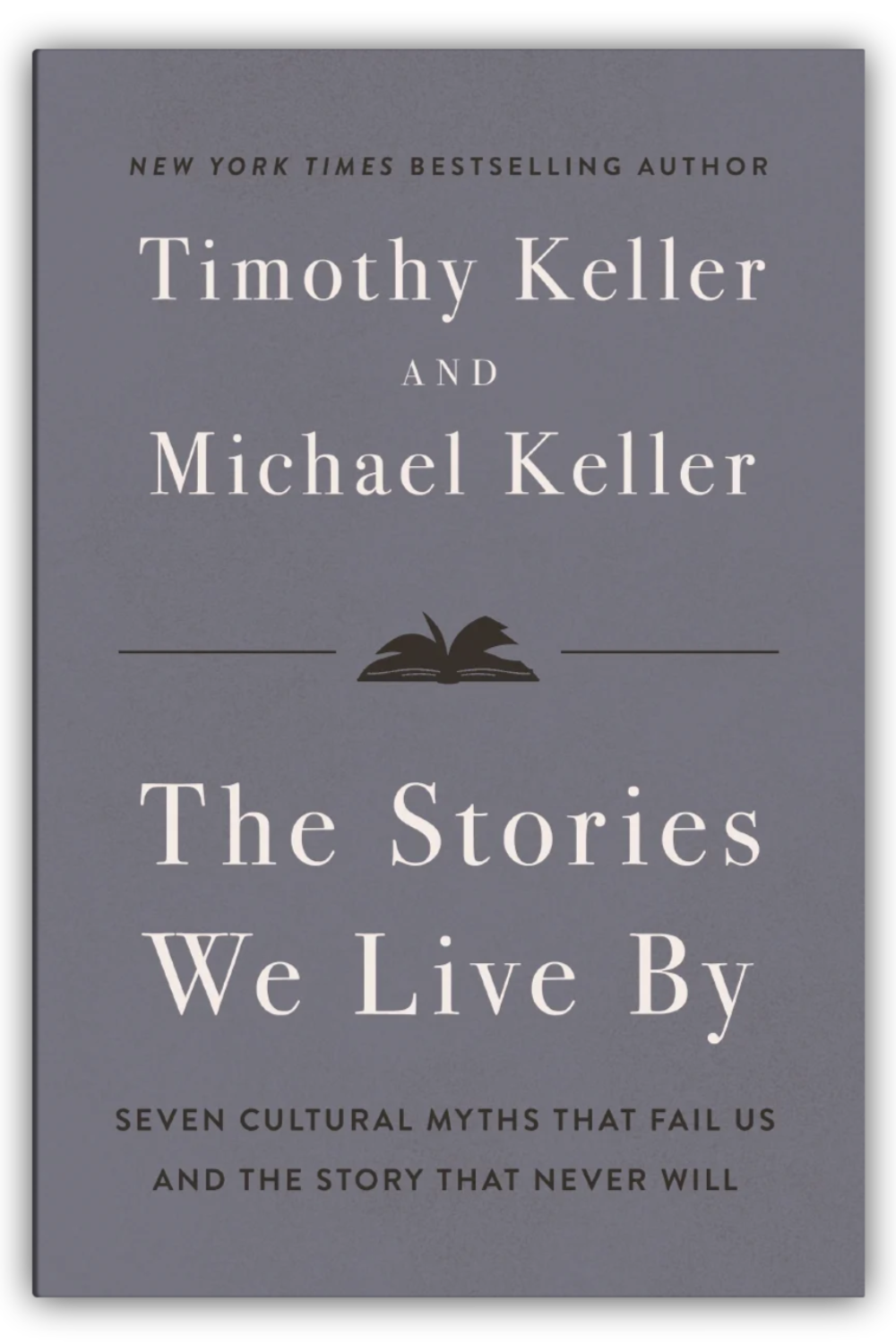
In this new book by Tim Keller and his son Michael Keller, you’ll discover what our culture's stories promise and whether they actually deliver. It will help you to see them through the lens of the gospel story—the only story where deep hope, true meaning and lasting joy can be found.