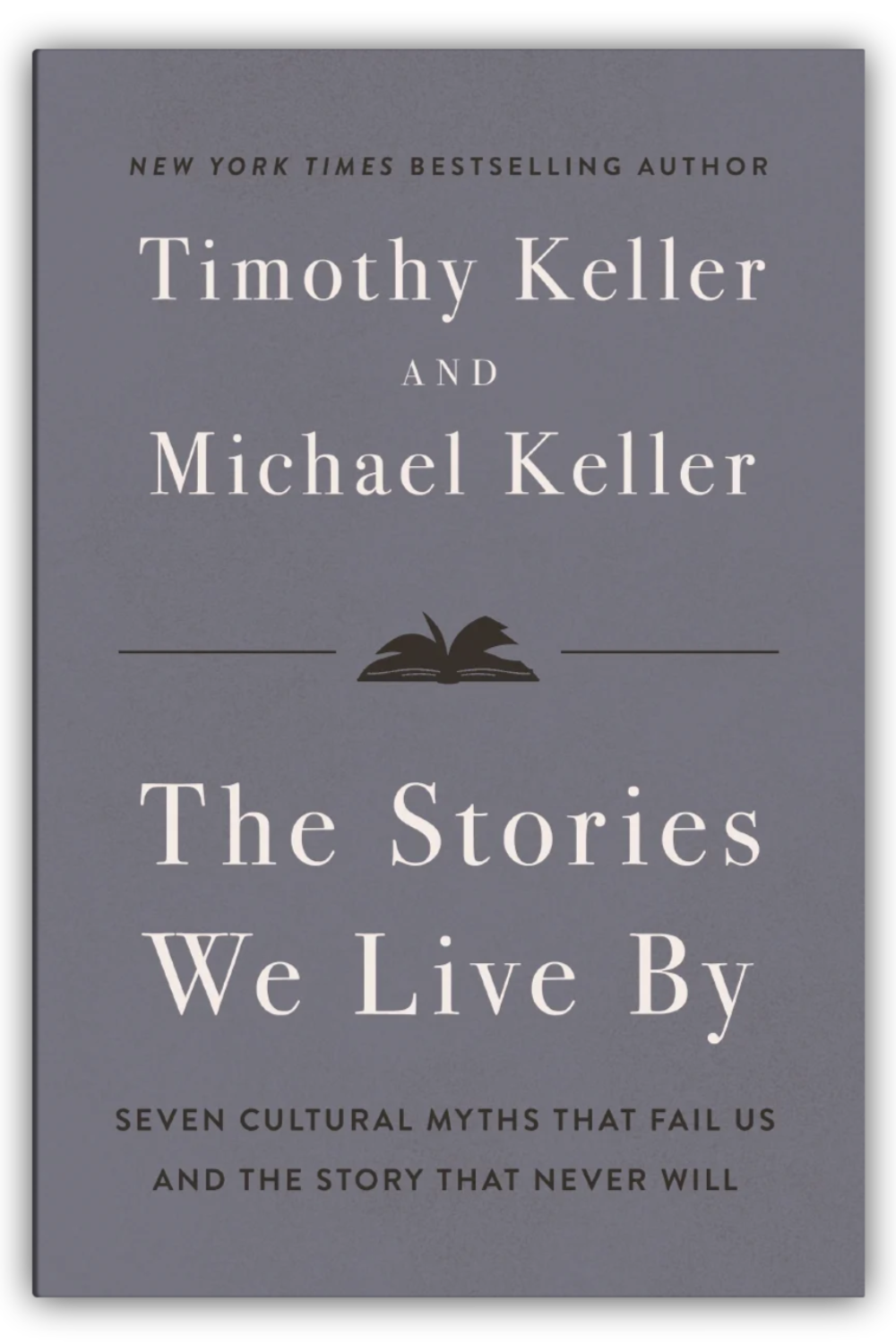
In 2002, Tim Keller wrote what, for me, was the most compelling case for planting new churches. His argument was two-fold: new church plants are not only evangelistically most effective to grow the body of Christ in a city, but they’re also necessary for the renewal of existing churches. He argued this:
The vigorous, continual planting of new congregations is the single most crucial strategy for (1) the numerical growth of the body of Christ in a city and (2) the continual corporate renewal and revival of the existing churches in a city. Nothing else—not crusades, outreach programs, parachurch ministries, growing megachurches, congregational consulting, nor church renewal processes—will have the consistent impact of dynamic, extensive church planting.
[]
[1] Tim Keller, “Why Plant Churches,” Redeemer City to City, January 1, 2002, https://redeemercitytocity.com/articles-stories/why-plant-churches.
Dr. Keller was not downplaying the importance of existing churches or other ministries. Instead, he explained how long-established congregations often struggle to reach new generations, new residents and new people groups because they’re naturally geared toward the existing congregation. There are longer standing traditions and “powerful internal institutional pressures [that] lead it to allocate most of its resources and energy toward the concerns of its members and constituents, rather than toward those outside its walls.”
New churches … don’t exist without reaching new people, inviting new questions, and creating space for the spiritually curious.
New churches, by contrast, must be focused outward by necessity. They don’t exist without reaching new people, inviting new questions, and creating space for the spiritually curious. Keller cited research suggesting that the average new congregation welcomes six to eight times more unchurched people than an older congregation of the same size.
Though the statistics were very compelling, European missiologist Stefan Paas, writing from a secularized, post-Christian context, warns against church planting becoming a magic growth strategy. He notes that if new churches simply draw Christians away from existing ones, the wider body doesn’t grow at all. In fact, it may become weaker. Unless new churches are planted with a missional focus, relentlessly asking “what kind of church must be planted in this soil,” none of what Dr. Keller argued for would actually happen.
It’s with this in mind that we planted Redeemer Brooklyn in March 2025, the first Redeemer network church outside of Manhattan. We hoped to prove that Tim Keller’s vision would still be effective twenty years later. Could we see God work through a church plant that effectively reached unchurched and dechurched people in Brooklyn, and could it also lead to the renewal of existing Christians in the city?
Cultivating Mission vs. Consumerism

From day one, we faced a tension: Redeemer Brooklyn was immediately more convenient for hundreds of existing Christians already living in this borough who were commuting into Manhattan to attend a Redeemer church. We could have grown quickly by appealing to them. But because our goal wasn’t to cultivate more consumerism (choosing what’s most convenient and leaving when it’s not), we discouraged existing Christians from joining our new church. We had to constantly and explicitly say, “This church is not primarily for you. It’s for your friends and neighbors who don’t yet know Jesus.” We needed to ensure that mission was the focus for anyone who was joining our launch team, so that we weren’t trading on being the “new hot thing in town.” Though that kind of growth might have made us sustainable more quickly, it would undermine the very reasons church planting is so effective.
As Dr. Keller notes, new churches are forced to focus on those not yet part of the community. Because we weren’t relying on already-churched people to fill the room, we had no choice but to devote most of our time and energy to community outreach rather than to church programs designed to attract existing Christians. Our priority was creating spaces where unchurched and dechurched neighbors could encounter Christianity in welcoming and accessible ways.
Instead of starting off with community groups centered around Bible studies, we started dinner parties where people who were spiritually curious could ask questions and explore Christianity in a hospitable space. Instead of having gatherings for our launch team to connect and meet each other, we focused on outreach events for the young families, creatives and working professionals who made up a majority of the people living in Downtown Brooklyn. We hosted an Easter Egg Hunt and free concerts for the neighborhood that attracted more people from outside the church than within it.
What was encouraging is how this outward posture shaped our launch team. It created a natural evangelistic culture and a shared expectation that each of us would be looking outward and inviting others in. Our team became more motivated than ever to welcome unchurched and dechurched friends into the spaces we were intentionally designing for them—not for ourselves.
Belong – Believe – Behave
I ask every new person I meet on Sundays (in the nicest way possible), “Why are you here?” It helps me see whether we’re cultivating consumerism or mission. I’m always encouraged when someone says they’ve been disconnected from faith or have no religious background at all—but a friend invited them to check out this new community. Many also say it’s easier to connect in a church where no one has been here that long and they’re not the only ones who feel new. The barrier to entry is lower, and the shared excitement of building something together makes the environment especially welcoming for those exploring faith and the church for the first time.
But it’s not just about being more welcoming—it’s about belonging.
But it’s not just about being more welcoming—it’s about belonging. One of the most encouraging things we’ve witnessed is how quickly people feel like they’re part of this community, whether they consider themselves Christians or not. In just a few weeks, many first-time visitors move from passive observers to active participants simply because they experience a genuine sense of belonging.
This is one of the great gifts that a new church can give. It naturally challenges what many first-time attenders assume about Christianity: that you must first behave the right way before you can believe the right things and finally belong. But a new church that’s primarily focused on reaching new people seeks to welcome people in and introduce them to a relationship with Jesus. Belonging becomes the starting point to begin their journey of discipleship within a new community that can help them grow in their beliefs and behaviors over time. This is far more in line with a gospel-shaped vision of discipleship—and it’s a paradigm shift essential for new churches that hope to see true conversion growth.
Renewal of the Whole Body
One of Dr. Keller’s most compelling arguments is that church plants are not only effective at reaching new people, but that they also renew and revive existing congregations. Church planting doesn’t have to come at the expense of church renewal. Keller says, “Strange as it may seem, the planting of new churches in a city is one of the very best ways to revitalize older churches in the vicinity and renew the whole body of Christ.” We’ve also seen this to be true at Redeemer Brooklyn.
We launched with about 50 people from our sending church, Redeemer Downtown, along with several Christians from the neighborhood who resonated with the vision. Many were already strong believers, but most hadn’t been deeply involved in their previous churches. It’s been amazing to watch how the church-planting environment has activated and deepened their faith.
The transitional space that a church plant must live in brings congregants much closer to the fire of faith in a way that the stability of existing churches often can’t replicate.
Church plants require participation and ownership of the mission that’s unmatched by existing churches. Unless everyone plays a part, the community can’t survive. The transitional space that a church plant must live in brings congregants much closer to the fire of faith in a way that the stability of existing churches often can’t replicate. We’ve seen launch team members who were previously on the sidelines step into key leadership roles. Growth happens faster because there is no assumption that “someone else will do it.” Planting requires all of us (myself included) to exercise faith in new and stretching ways.
Too Afraid to Fail?
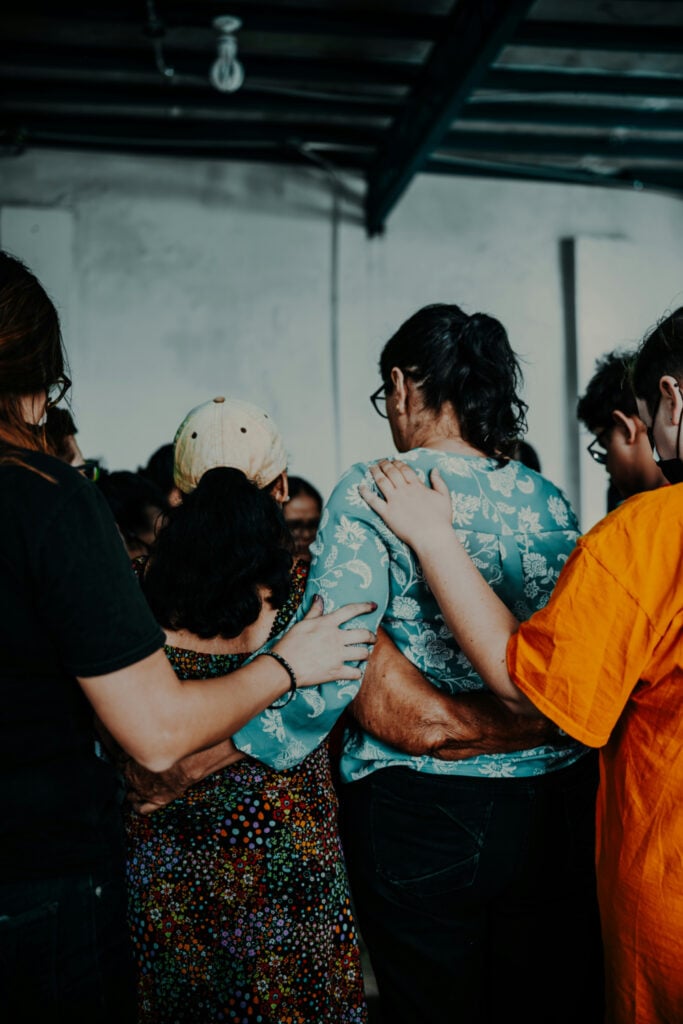
But there’s another way that a new church like Redeemer Brooklyn can help renew the whole body of believers in a city. Dr. Keller says that new churches “have freedom to be innovative, so they become the Research and Development Department for the whole body in the city” as older congregations can either be timid or risk averse to try new ideas.
We’ve taken this to heart. If we’re not trying new things and even risking failure, we won’t experience the kind of impact Dr. Keller envisioned for church plants. That doesn’t mean we’re reinventing church beyond recognition (we are Presbyterian, after all!), but it does mean we’re constantly experimenting and adjusting in real time. We’ve tested different service flows and found new ways to encourage participation. One simple change that’s become a favorite is our five-minute connection time in the middle of the service. Instead of the traditional quick handshake greeting, we ask people to form groups of three or four to answer an icebreaker question related to the sermon. It creates immediate relational connection, especially for newcomers who might otherwise stay anonymous and disengaged. It’s a small shift, but it has become one of the most effective ways we foster belonging.
This constant experimentation can feel a bit unstable compared to a more established church, but embracing that risk-reward profile is exactly what gives a church plant its missional freedom to learn as much as possible. Even better, we’ve been able to share what we’re learning with other churches in the city, offering a perspective that only a church plant can provide and strengthening the wider body as we grow.
What are we afraid of?
I recently told our staff that we weren’t making enough mistakes, which probably means we’re not pushing ourselves far enough, because we’re too afraid to fail. And that brings me back to Dr. Keller’s article from 2002.
Redeemer Brooklyn exists to live out the very case Dr. Keller made for planting new churches, for the good of the whole city. So if we stop trying new things for the mission, we’ve abandoned what Dr. Keller called “the single most crucial strategy” for the growth of the body of Christ and “the continual corporate renewal and revival of the existing churches in a city.” And what could we possibly be afraid of when Jesus himself commands us, in Matthew 28:19-20, to “Go, and make disciples of all nations. […] And surely I am with you always, to the very end of the age.”