Sermon
Peace – Overcoming Anxiety
By Tim Keller


Tim Keller | October 27, 2013
We all have very strong moral convictions about what we think is right and wrong. And in a pluralistic society, we need to find ways of sharing our beliefs and being honest about who we are in a way that’s respectful and promotes peace.
One of the ways we can make for a more civil conversation is to ask a more fundamental question: Where do you get your moral convictions? How do you determine what is right and wrong?
There’s almost no place I know that has a more interesting answer to this question than Romans 2. It tells us three things: 1) no one can succeed in being a relativist, 2) no one can really succeed in being a moralist, and therefore, 3) this is our only hope.



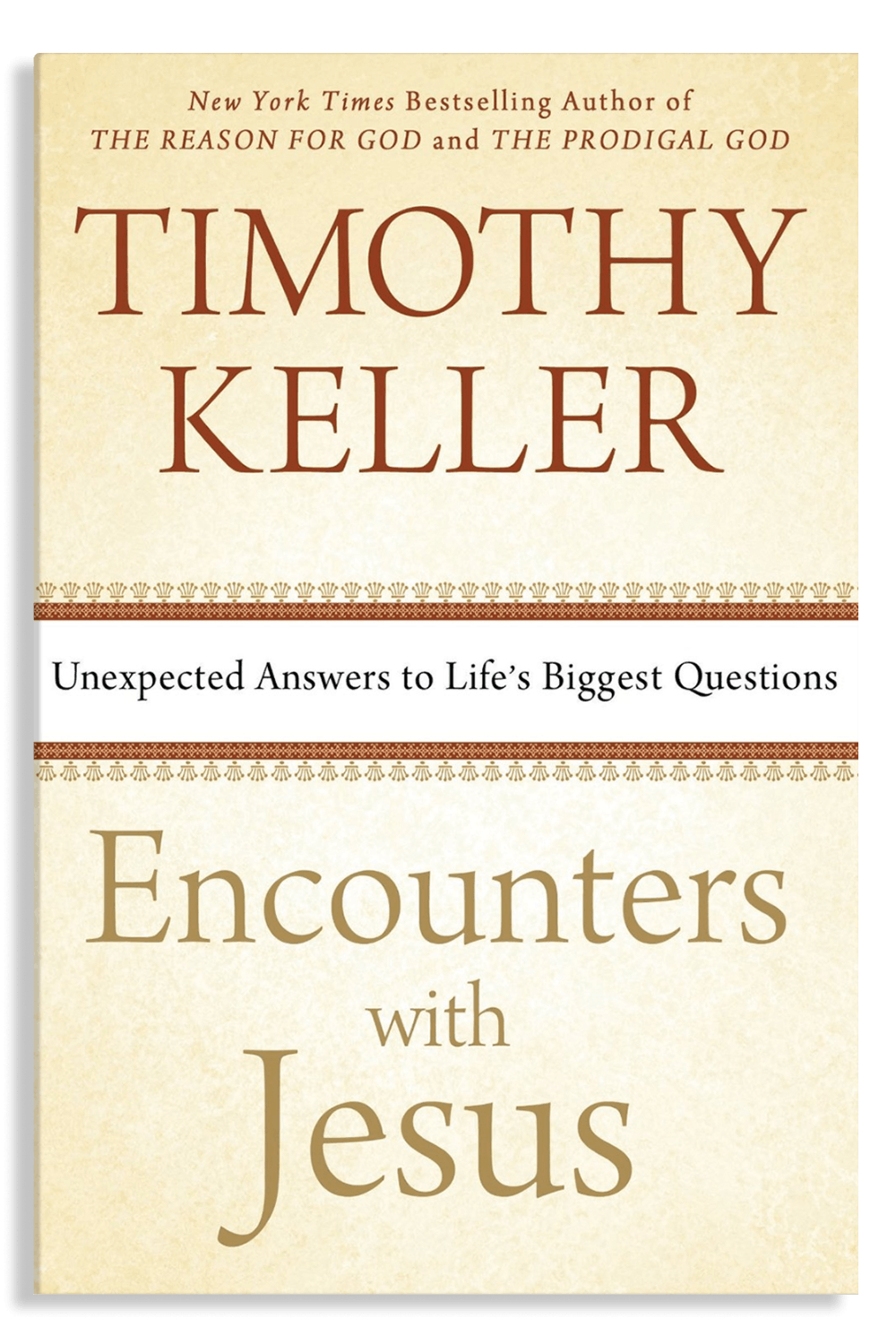
This Month's Featured Book
In this book, Tim Keller explores how the interactions Jesus had with people were transformative for them, and how these encounters are still able to address the big questions and doubts about life that each of us have today.