Sermon
The Healing of Anger
By Tim Keller

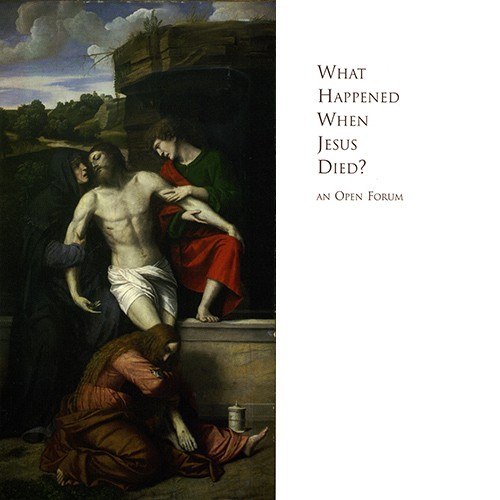
Tim Keller | April 4, 2004
In some ways, the key prayer in Mozart’s requiem is in the “Rex Tremendae,” the king of terrible majesty. It says, “… who saves those who are being saved freely.” In spite of all the talk about judgment day, we get mercy.
Now on what basis do we get mercy? On what basis do we get rest, if we don’t deserve it? When modern people in Western society listen to something like Mozart’s Requiem, there are certain questions that come up right away.
First, did Jesus really die like that? Was he a sacrificial lamb? Was Jesus crucified on the cross? Did that really happen historically, or was that just made up? Second, why did Jesus have to die like that? What’s the whole idea? Why was it even necessary? Third, what difference does it make to us?
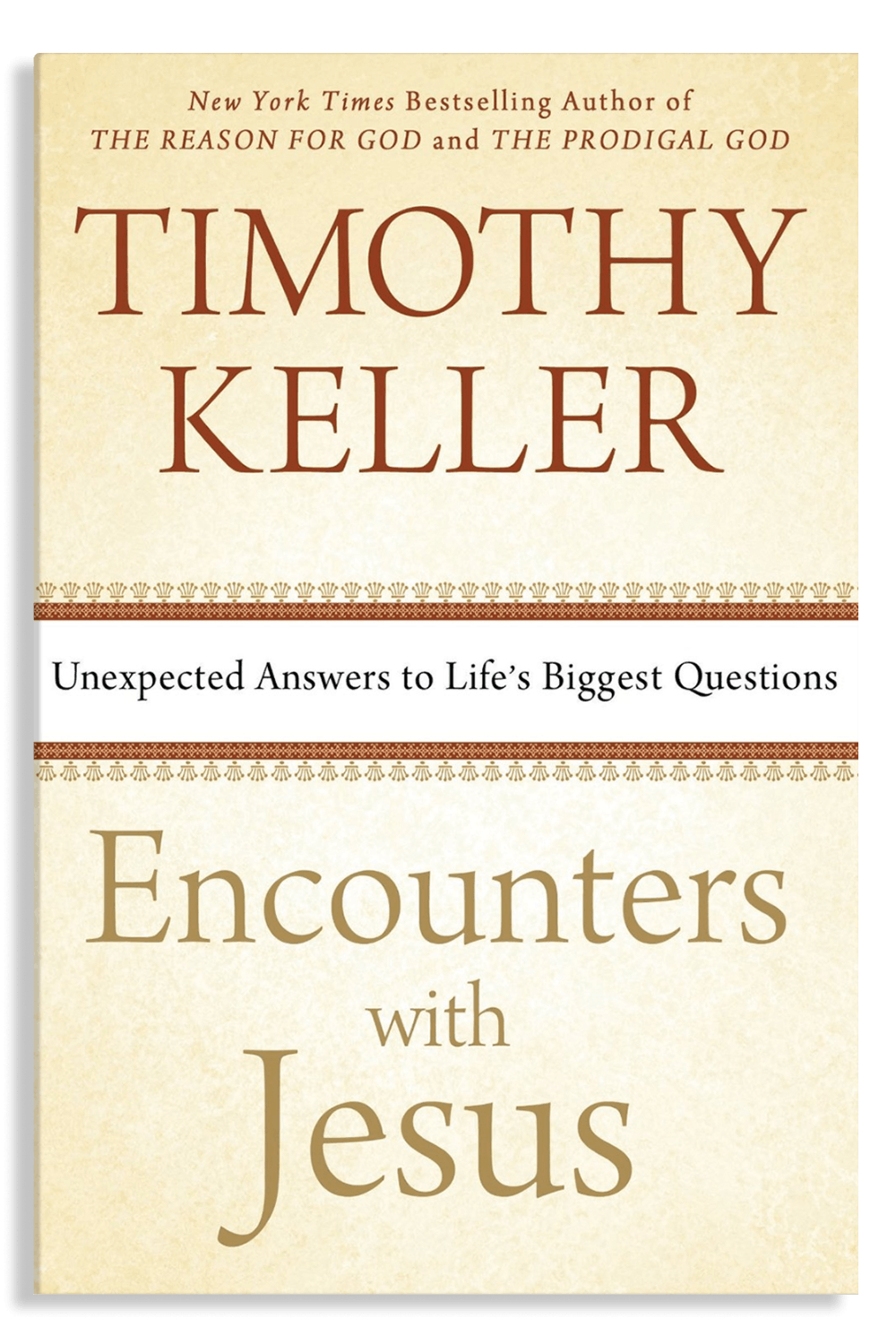
This Month's Featured Book
In this book, Tim Keller explores how the interactions Jesus had with people were transformative for them, and how these encounters are still able to address the big questions and doubts about life that each of us have today.